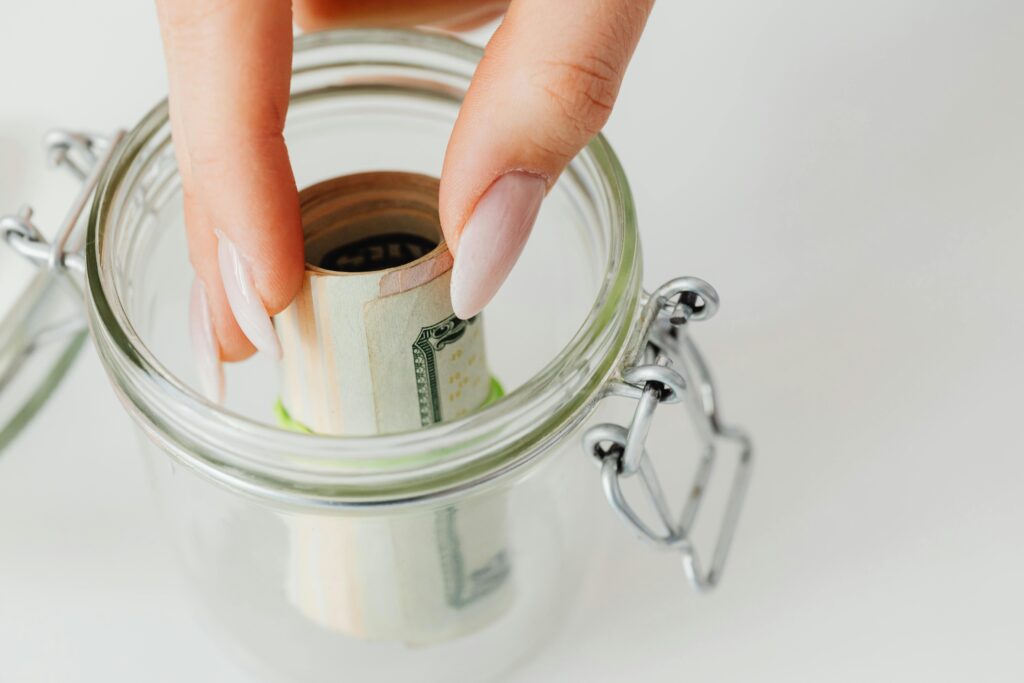
I have tried hundreds of money saving tips over the years. Most of them were either too complicated to stick with, barely worth the effort, or just plain obvious advice that everyone already knows. The 30 hacks in this guide are different. These are the strategies I actually use myself, that I have tested personally, and that have genuinely moved the needle on my savings. No fluff, no filler, just the money saving hacks that actually work in real life in 2026.
The internet is full of money saving advice. Cut your morning coffee. Cancel Netflix. Pack your lunch. This kind of advice is so basic and so repetitive that most people have tuned it out completely.
But there is a whole world of money saving strategies that go beyond the obvious. Strategies that use psychology, technology, timing, and creativity to put real money back in your pocket every single month. Strategies that work in 2026 with the current economic reality of higher prices, subscription overload, and endless online shopping temptations.
In this guide we share 30 money saving hacks that actually work. Some will save you a few dollars per month. Others could save you hundreds. Together they add up to a dramatically different financial picture by the end of the year.
The Psychology Hacks
These hacks work by using your own psychology in your favor rather than against you.
1. The 48 Hour Rule for Online Shopping
When you want to buy something online add it to your cart but do not check out. Close the browser and wait 48 hours. If you still want it after 48 hours and it fits your budget buy it. If you forget about it you never needed it.
Two things happen during those 48 hours. First the emotional impulse fades and you make a rational decision instead of an emotional one. Second many retailers will email you a discount code to complete your purchase if you abandon your cart. You save money either way.
2. Unsubscribe From Every Retail Email
Retailers spend millions crafting emails designed to make you spend money. Sale ends tonight. Only 3 left. Your exclusive offer expires soon. Every email is engineered to trigger an impulse purchase.
Unsubscribe from every retail email list today. Use a tool like Unroll.me to mass unsubscribe from dozens at once. You will not miss deals you never see and you will stop buying things you were not planning to buy before seeing the email.
3. Use Cash for Categories You Overspend
Research consistently shows people spend 10 to 30 percent more when paying with cards versus cash. The physical act of handing over cash makes spending feel more real and creates a natural spending limit.
Identify your biggest overspending category whether that is dining out, entertainment, or clothing. Withdraw a cash budget for that category each week or month. When the cash is gone the spending stops.
4. Change Your Phone Wallpaper to Your Savings Goal
Set your phone wallpaper to a picture of what you are saving for. A house, a vacation, debt freedom, a specific number. Every time you pick up your phone you see your goal. When you are about to make an impulse purchase you are reminded of what that money could be doing instead.
Simple. Free. Surprisingly effective.
5. The 10 Second Rule for In Store Purchases
Before putting anything in your shopping cart that was not on your list hold it in your hands and count to 10. During those 10 seconds ask yourself: do I need this, does it fit my budget, would I have bought it if I had not seen it today? Most impulse items go straight back on the shelf.
The Technology Hacks
These hacks use free tools and apps to save money automatically with minimal effort.
6. Install Honey or Capital One Shopping
These free browser extensions automatically find and apply coupon codes at checkout across thousands of online stores. They work silently in the background and activate only when you are about to make a purchase. Installing either extension takes 2 minutes and saves money on every qualifying online purchase without you doing anything extra.
7. Use Rakuten for All Online Shopping
Rakuten gives you cashback on purchases from over 3,500 stores. Simply log in to Rakuten before visiting any online store and earn 1 to 15 percent cashback on everything you buy. The cashback is paid quarterly as a check or PayPal deposit. Rakuten users earn an average of several hundred dollars per year in cashback on purchases they were already making.
8. Use CamelCamelCamel Before Every Amazon Purchase
This free website tracks the price history of every Amazon product. Before buying anything on Amazon spend 30 seconds checking whether the current price is genuinely good or whether it has been significantly cheaper recently. This single habit prevents hundreds of dollars in overpayment every year.
9. Set Up Automatic Savings Transfers
Use your bank’s automatic transfer feature to move a set amount to savings on every payday before you see the money in your checking account. What you never see you never miss. Start with any amount, even small, and increase it by a small percentage every few months. Automation removes willpower from the equation entirely.
10. Use a Budgeting App to Track Every Dollar
Free apps like Mint or free tiers of YNAB connect to your bank accounts and automatically categorize every transaction. Seeing exactly where your money goes each month creates immediate awareness that almost always leads to spontaneous spending reductions without any effort or willpower required.
11. Set Up Price Drop Alerts
Use Google Shopping, CamelCamelCamel, or your favorite retailer’s own price drop alert feature to be notified when items on your wish list drop in price. Instead of buying at full price you buy at the price you want. This is especially powerful for electronics, appliances, and seasonal items.
12. Use the Library App Instead of Streaming Services
Most public libraries offer free access to ebooks, audiobooks, magazines, movies, and music through apps like Libby, Hoopla, and Kanopy. If you pay for Audible, Kindle Unlimited, or streaming music services you may be able to cancel them entirely and access the same content free through your library card.
The Grocery and Food Hacks
Food is one of the biggest and most controllable areas of most household budgets.
13. Shop Grocery Store Perimeters First
The perimeter of most grocery stores contains fresh produce, meat, dairy, and bakery items. The center aisles contain processed packaged foods which are typically more expensive per serving and less nutritious. Shopping the perimeter first fills your cart with whole foods and leaves less room and budget for expensive processed items.
14. Buy Meat in Bulk and Freeze It
Meat is typically the most expensive part of a grocery shop. Buying in bulk from warehouse stores or when on sale and freezing it in meal sized portions dramatically reduces your cost per serving. A full freezer of meat bought at sale prices can save a family $50 to $150 per month compared to buying fresh at full price week by week.
15. Use Cashback Grocery Apps
Apps like Ibotta, Fetch Rewards, and Checkout 51 give you cashback on specific grocery products. Scan your receipt after shopping and earn real money back on purchases you were already making. Takes 2 minutes per shop and saves most users $15 to $50 per month.
16. Plan Meals Around What Is on Sale
Instead of planning meals first and then buying ingredients check your grocery store’s weekly sale flyer first and plan meals around what is discounted that week. A whole chicken on sale becomes roast chicken tonight and chicken soup tomorrow. Salmon on sale becomes two salmon dinners. This approach can reduce your grocery bill by 15 to 25 percent with no change in what you eat.
17. Make Your Own Coffee at Home
This advice has become a cliche but the math is genuinely compelling. A daily coffee shop coffee at $5 to $7 costs $1,825 to $2,555 per year. A daily home brewed coffee costs $50 to $150 per year. Making coffee at home even just on weekdays saves $1,000 to $2,000 per year. Invest in a good coffee maker and quality beans and you will genuinely prefer your home coffee within a few weeks.
18. Eat Leftovers Intentionally
Plan one night per week as a leftover night where you eat whatever is in the fridge that needs to be used up. This eliminates food waste which costs the average family $1,500 to $2,000 per year. A dedicated leftover night also gives you one free dinner every week without any cooking effort.
The Bills and Subscriptions Hacks
Monthly bills and subscriptions are where most people are dramatically overpaying without realizing it.
19. Do a Full Subscription Audit Right Now
Go through your bank and credit card statements for the past 3 months and highlight every recurring charge. List every subscription with its monthly cost. Most people find 3 to 7 subscriptions they forgot about. Cancel anything you have not actively used in the past month. The average household pays for services they barely use adding up to $50 to $200 per month in wasted spending.
20. Rotate Your Streaming Services
Instead of paying for multiple streaming services simultaneously subscribe to one at a time. Watch everything you want on Netflix for one month, cancel, subscribe to Disney Plus for a month, cancel, then move to another service. You access all the content at a fraction of the cost.
21. Call Your Service Providers Annually
Call your internet, phone, and insurance providers once per year and say: “I have been a loyal customer for [X] years and I am considering switching to [competitor]. What can you do for me?” This single phone call saves most people $20 to $100 per month on each service. Providers almost always offer better rates to customers who ask rather than those who silently accept annual price increases.
22. Eliminate Duplicate Coverage
Many people pay for the same coverage multiple times without realizing it. Check whether your credit cards include:
- Travel insurance
- Purchase protection
- Extended warranty coverage
- Rental car coverage
- Roadside assistance
If your credit card already provides these benefits cancel the standalone policies you are paying for separately. This alone can save $10 to $50 per month.
23. Switch to a Budget Phone Plan
Major phone carriers charge a significant premium for the same service available from budget carriers that use identical networks. Switching from a major carrier to a budget option like Mint Mobile, Visible, or Cricket can save $30 to $80 per month per line for the same coverage and speed.
The Lifestyle Hacks
These hacks involve small lifestyle adjustments that create big savings over time.
24. Implement a Weekly Money Date
Spend 15 minutes every Sunday reviewing your finances for the week. Check your spending against your budget, review any upcoming bills, and celebrate any wins. This weekly awareness creates a feedback loop that naturally reduces overspending. People who review their finances weekly consistently save more than those who only look at their money when problems arise.
25. Use the Library for Everything
Beyond books your public library likely offers:
- Free ebooks and audiobooks through Libby and Hoopla
- Free movie streaming through Kanopy
- Free magazine access through apps like Flipster
- Free museum passes
- Free tool lending programs
- Free seed libraries for gardeners
- Free courses and learning resources
- Free meeting rooms
- Free notary services
- Free tax preparation assistance
Most people use their library only for books and miss out on hundreds of dollars per year in free services they are already paying for through local taxes.
26. Buy Second Hand First
Before buying anything new check whether a second hand version is available. Apps like Facebook Marketplace, OfferUp, Poshmark, ThredUp, and eBay have millions of items available at 50 to 90 percent below retail price.
Excellent categories for second hand buying:
- Clothing and accessories
- Children’s clothing and toys (children outgrow things quickly)
- Furniture and home decor
- Sports and fitness equipment
- Books and media
- Tools and garden equipment
- Electronics
27. Negotiate Everything
Most people only negotiate when buying a car or house. But negotiation is possible and often successful in many more situations:
- Medical bills (ask for a cash pay discount or payment plan)
- Gym memberships (ask for a lower rate or fee waiver)
- Hotel rates (call directly and ask for their best rate)
- Rent at renewal time
- Service contracts
- Freelance and professional service fees
The worst anyone can say is no and most negotiations result in at least some savings.
28. Do a Yearly Financial Review
Once per year sit down and review your complete financial picture:
- Cancel any subscriptions you no longer use
- Renegotiate your biggest bills
- Shop around for better rates on insurance
- Review your investment fees and switch to lower cost options if needed
- Check whether your emergency fund is adequately funded
- Review progress toward your financial goals
This single annual review typically saves hundreds of dollars per year in ongoing expenses.
The Income Boosting Hacks
Saving money is only half the equation. Earning more money accelerates your financial progress dramatically.
29. Sell Things You Own Right Now
Go through your home and identify everything you have not used in the past 6 months. Clothing, electronics, furniture, sports equipment, books, kitchen appliances. List everything on Facebook Marketplace or eBay. Most homes have $200 to $1,000 worth of sellable items gathering dust. This is the fastest way to get extra cash without any ongoing commitment.
30. Ask for a Raise at Your Next Review
The single most impactful money saving and earning hack available to most people is simply asking for a raise. Research average salaries for your role, document your specific contributions, and make a clear professional case for increased compensation at your next performance review.
Even a 5 percent raise has a compounding effect over an entire career. That extra money invested every month for 20 years creates significantly more wealth than years of clipping coupons. Invest in your career as deliberately as you invest in your savings.
How Much Can These Hacks Save You?
Here is a realistic estimate of annual savings from implementing these strategies:
| Category | Annual Savings Potential |
|---|---|
| Psychology hacks (impulse control) | $500 to $2,000 |
| Technology hacks (cashback and coupons) | $300 to $800 |
| Grocery and food hacks | $600 to $2,400 |
| Bills and subscriptions | $600 to $2,000 |
| Lifestyle adjustments | $300 to $1,000 |
| Selling unused items (one time) | $200 to $1,000 |
| Total potential annual savings | $2,500 to $9,200 |
Obviously not everyone will implement every hack or see the maximum savings from each. But even implementing half of these strategies at half their potential could free up $1,000 to $4,000 per year that you can redirect toward your financial goals.
Where to Start
With 30 hacks to choose from the temptation is to feel overwhelmed and do nothing. Do not let that happen. Start with these 5 right now:
- Do a subscription audit: Open your bank statement and cancel every subscription you forgot about or barely use
- Install Honey or Rakuten: Free browser extensions that save money automatically on online purchases
- Set up one automatic savings transfer: Even $25 per payday builds the habit
- Unsubscribe from retail emails: Remove the temptation before it reaches you
- Call one service provider: Ask for a better rate on your phone or internet bill
These 5 actions take less than two hours and could save you $100 to $300 per month starting immediately.
CONCLUSION:
Money saving hacks are only useful if you actually use them. The best hack is the one you will implement today and maintain consistently. Start with the easiest ones that fit your current lifestyle and add more over time as each becomes a habit.
The goal is not perfection. The goal is progress. Every dollar you stop wasting is a dollar working toward your financial freedom instead of someone else’s profit.
Which of these 30 money saving hacks are you going to try first? Share in the comments and let us know how much you save!
Frequently Asked Questions
Q: What is the single best money saving hack that works immediately?
A: The subscription audit gives the fastest results. Go through your last 3 months of bank and credit card statements right now and cancel every subscription you are not actively using. Most people find $50 to $150 in monthly subscriptions they forgot about within 30 minutes. The savings start immediately with no ongoing effort required.
Q: Do money saving hacks really make a significant difference?
A: Yes when applied consistently and combined together. Individual hacks may save $5 or $10 per month but stacking multiple hacks creates compound savings that add up to thousands per year. The key is implementation and consistency rather than just reading about strategies and moving on.
Q: How do cashback apps and browser extensions make money if they are free?
A: Cashback services like Rakuten and Honey earn a referral commission from retailers when they direct purchases to those stores. They share a portion of that commission with you as cashback. The retailer pays the commission not you so the cashback is genuinely free money from your perspective.
Q: Is it worth spending time on money saving strategies or should I just focus on earning more?
A: Both matter and the best approach combines both. Cutting expenses delivers immediate guaranteed savings with no risk while increasing income has no ceiling. Many personal finance experts suggest optimizing your biggest expenses first (housing, transportation, food) since these offer the largest savings opportunities before focusing on smaller hacks.
Q: How do I stay motivated to keep using money saving strategies over time?
A: Track your savings visually so you can see the progress building. Set a specific goal for where your savings are going so each money saving decision connects to a meaningful outcome. Start with the easiest hacks to build confidence and momentum before tackling more challenging strategies. Celebrate milestones along the way to reinforce the positive habits you are building.

Muhammad Mateen is a personal finance blogger and the founder of Simply Saving More. After struggling with budgeting and saving money for years Muhammad developed practical strategies that helped him take control of his finances. He created Simply Saving More to share these real world tested tips with everyday people who want to improve their financial lives. His content focuses on practical actionable advice that anyone can implement regardless of income level.