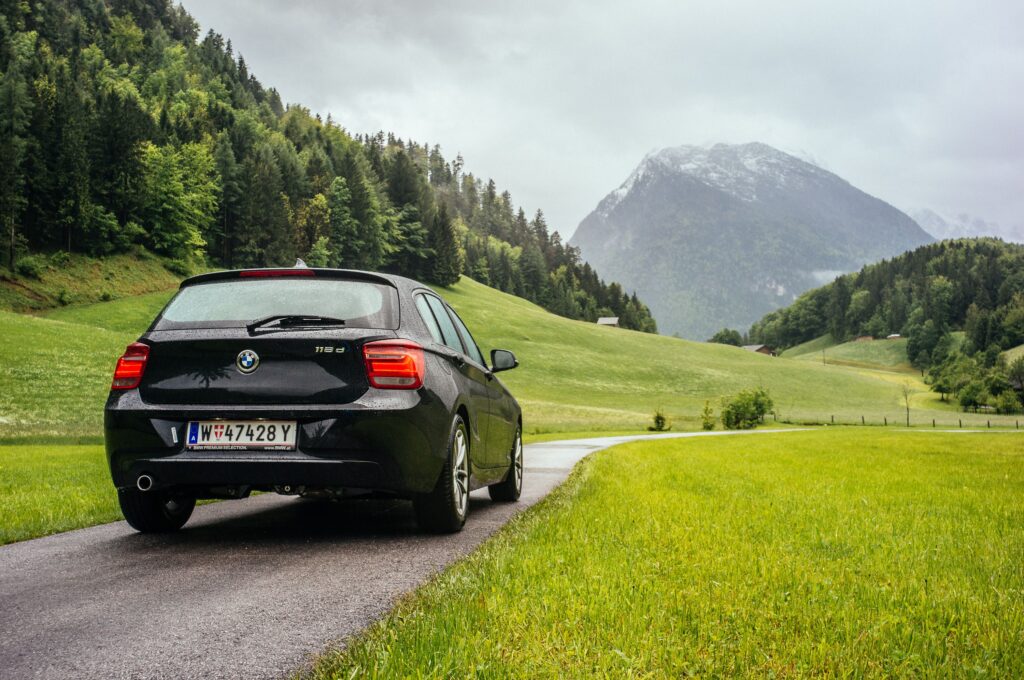
I was paying the same car insurance company the same rate for three years without ever questioning it. Then a friend mentioned she had just cut her premium by almost 40 percent simply by shopping around and asking for discounts she did not even know existed. One afternoon of phone calls and comparison shopping later I had saved over $600 per year on the exact same coverage. In this guide I share every strategy I used and discovered so you can stop overpaying for car insurance starting today.
Car insurance is one of those monthly expenses most people pay without ever questioning whether they are getting a good deal. You set it up once, the payment comes out automatically, and you assume the price is what it is. But car insurance is one of the most negotiable and shoppable expenses in your entire budget.
The difference between the most expensive and least expensive car insurance policies for identical coverage from different providers can be hundreds or even thousands of dollars per year. Shopping for car insurance is not complicated and even a single afternoon spent comparing quotes can save you significant money every month for years.
In this complete guide we share every proven strategy for saving money on car insurance so you can stop overpaying immediately.
Why Car Insurance Rates Vary So Much
Before diving into the savings strategies it helps to understand why car insurance rates vary so dramatically between providers and individuals.
Insurance companies use complex algorithms to calculate risk and price policies. These algorithms weigh dozens of factors including:
- Your driving history and accident record
- Your age and years of driving experience
- The make, model, and year of your vehicle
- Where you live and where you park your car
- How many miles you drive per year
- Your credit score (in most states)
- Your coverage levels and deductibles
- Whether you have had any gaps in coverage
- Your marital status in many states
- Your occupation in some states
Because each insurance company weights these factors differently two drivers with identical profiles can receive dramatically different quotes from different insurers. This is why shopping around is so powerful. The insurer that offers the best rate for one driver may be the most expensive for another.
15 Proven Strategies to Save Money on Car Insurance
1. Shop Around and Compare Quotes Every Year
This is the single most powerful car insurance saving strategy available and the one most people never do. Most drivers stay with the same insurer year after year simply out of inertia.
Insurance company rates change constantly. The company that offered you the best rate two years ago may not be the best today. New customers also typically get better rates than loyal long term customers at many insurers.
How to shop around effectively:
- Get quotes from at least 5 different insurers
- Make sure you are comparing identical coverage levels
- Use comparison websites like The Zebra, Insurify, or NerdWallet to get multiple quotes quickly
- Also call local independent insurance agents who can shop multiple companies for you
- Do this annually at renewal time
How much you can save: $200 to $800 per year or more depending on your situation.
2. Bundle Your Insurance Policies
Most insurance companies offer significant discounts when you bundle multiple policies together. Common bundles include:
- Auto and home insurance together
- Auto and renters insurance together
- Auto, home, and life insurance together
Bundling discounts typically range from 5 to 25 percent on each policy. If you are currently using different companies for different insurance policies getting quotes for bundled policies from a single insurer can produce significant savings.
3. Increase Your Deductible
Your deductible is the amount you pay out of pocket before insurance covers the rest when you make a claim. Higher deductibles mean lower monthly premiums.
How deductible changes affect premiums:
| Deductible | Typical Premium Impact |
|---|---|
| Increasing from $250 to $500 | 10 to 15% premium reduction |
| Increasing from $500 to $1,000 | 15 to 30% premium reduction |
| Increasing from $1,000 to $2,000 | Additional 10 to 15% reduction |
Important caution: Only increase your deductible to an amount you can genuinely afford to pay out of pocket if you have an accident. Having a fully funded emergency fund before increasing your deductible is essential. If you cannot cover the deductible you would be worse off after an accident.
4. Ask About Every Available Discount
Most insurance companies offer numerous discounts that they do not automatically apply or advertise. You have to ask specifically about each one.
Common car insurance discounts:
- Good driver discount: No accidents or violations in 3 to 5 years
- Good student discount: Full time students with a B average or better
- Multi car discount: Insuring more than one vehicle with the same company
- Defensive driving course discount: Completing an approved driving course
- Low mileage discount: Driving fewer miles than average per year
- Vehicle safety features discount: Cars with advanced safety technology
- Anti theft device discount: Vehicles with alarms, tracking devices, or immobilizers
- Professional association discount: Members of certain professions or organizations
- Military or veteran discount: Active duty and veteran discounts
- Loyalty discount: Long term customers at some companies
- Paperless discount: Receiving documents and bills electronically
- Autopay discount: Setting up automatic premium payments
- Pay in full discount: Paying the full year upfront rather than monthly
Call your insurer and ask specifically: “What discounts do I currently have and what discounts might I qualify for that I am not currently receiving?” This single question has saved many people hundreds of dollars per year.
5. Maintain a Good Credit Score
In most states insurance companies use your credit score as a factor in calculating your premium. Drivers with excellent credit typically pay significantly less than drivers with poor credit for identical coverage.
How credit affects car insurance premiums:
- Excellent credit (750 plus): Lowest available rates
- Good credit (670 to 749): Near average rates
- Fair credit (580 to 669): 20 to 50% higher premiums than excellent credit
- Poor credit (below 580): Up to 100% or more higher premiums in some cases
Improving your credit score is a long term strategy but one that pays dividends across many areas of your financial life including car insurance.
6. Drive Safely and Maintain a Clean Record
Your driving history is one of the most significant factors in your car insurance premium. A single at fault accident or serious traffic violation can increase your premium by 30 to 100 percent for 3 to 5 years.
How violations affect premiums:
| Violation | Typical Premium Increase |
|---|---|
| Speeding ticket (minor) | 15 to 30% |
| At fault accident | 30 to 60% |
| DUI or DWI | 70 to 200% |
| Reckless driving | 50 to 100% |
The best long term strategy is simply driving carefully. Three to five years of clean driving after a violation typically brings your rate back down to normal levels.
7. Consider Usage Based or Pay Per Mile Insurance
If you drive fewer miles than average usage based insurance or pay per mile insurance can offer significant savings.
Usage based insurance: Providers like Progressive Snapshot monitor your driving habits through an app or device and offer discounts of 5 to 30 percent for safe driving behavior including gentle braking, moderate speeds, and daytime driving.
Pay per mile insurance: Companies like Metromile charge a base rate plus a per mile rate. If you work from home, use public transportation regularly, or simply do not drive much this can be significantly cheaper than traditional insurance.
Who benefits most: People who drive less than 10,000 miles per year or who work from home and rarely drive stand to save the most from these options.
8. Remove Coverage You Do Not Need
Review your coverage carefully to identify any coverage you may be paying for that does not make sense for your situation:
Collision and comprehensive coverage on old vehicles: If your car is old and has a low market value paying for collision and comprehensive coverage may cost more annually than the maximum payout you would receive if the car were totaled. A general rule is to consider dropping these coverages when your car’s value falls below 10 times the annual premium cost.
Rental car reimbursement: If you have another vehicle or access to alternative transportation you may not need rental car coverage.
Roadside assistance: If you are already a member of an auto club like AAA or your credit card provides roadside assistance you are paying twice for the same service.
Gap insurance on paid off vehicles: Gap insurance covers the difference between what you owe on a car loan and what the car is worth. If your car is fully paid off you have no loan to cover so this coverage is unnecessary.
9. Choose Your Vehicle Wisely
The vehicle you drive has a significant impact on your insurance premium. Before buying a new or used vehicle check the insurance cost as part of your decision making process.
Factors that increase insurance costs:
- High performance and sports cars
- Expensive luxury vehicles
- Cars with poor safety ratings
- Vehicles with high theft rates
- Cars that are expensive to repair
- Newer models with expensive parts
Factors that reduce insurance costs:
- Family sedans and minivans
- Vehicles with excellent safety ratings
- Cars with advanced safety features
- Vehicles with low theft rates
- Cars that are inexpensive to repair
- Older vehicles with lower market values
Get insurance quotes on any vehicle before purchasing it. The insurance cost difference between two similarly priced vehicles can be significant and should factor into your buying decision.
10. Pay Your Premium Annually Instead of Monthly
Many insurers charge a processing fee or surcharge for monthly payment plans. Paying your full annual premium upfront typically saves 5 to 10 percent compared to paying monthly.
If you do not have the full annual premium available consider saving the monthly amount in a dedicated savings account for the first year and then paying annually from that point forward.
11. Take a Defensive Driving Course
Many insurance companies offer discounts of 5 to 15 percent for completing an approved defensive driving or driver improvement course. These courses typically cost $20 to $50 and take a few hours to complete online.
The discount usually lasts for 3 years before you need to retake the course to maintain it. The math is simple: a $50 course that saves 10 percent on a $1,500 annual premium saves $150 per year or $450 over three years for a $400 net saving.
Check with your insurer first to confirm they offer this discount and which courses are approved before enrolling.
12. Review and Update Your Policy Annually
Life changes affect your insurance needs and rates. Review your policy at every renewal and update it to reflect your current situation:
Changes that might lower your rate:
- Moving to a lower risk area or zip code
- Retiring or changing to a job with a shorter commute
- Your teenager turning 25 (rates typically drop significantly)
- Improving your credit score
- Paying off your car loan (may allow dropping gap insurance)
- Installing a new security system in your car
Changes that affect your coverage needs:
Adding or removing drivers from your policy
Paying off your car and reducing its value
Getting married (many insurers offer lower rates for married drivers)
Changes in how much you drive annually
13. Consider a Higher Liability Only Policy on Older Vehicles
Once a vehicle reaches a certain age and value the cost of comprehensive and collision coverage may exceed the benefit. Switching to liability only coverage on an older paid off vehicle can dramatically reduce your premium.
Before making this switch:
Make sure you have emergency fund savings to cover potential repair or replacement costs
Check the current market value of your vehicle
Calculate the total annual cost of your comprehensive and collision coverage
If the annual coverage cost is more than 10 percent of the vehicle’s value consider dropping it
14. Keep Continuous Coverage
Gaps in your insurance coverage are treated as red flags by insurers and can increase your premium significantly when you get a new policy. Even if you sell your car and do not plan to drive for a period maintaining some level of non owner car insurance keeps your coverage continuous and protects your premium when you do need coverage again.
Most insurers reward drivers who have had continuous coverage for 3 or more years with lower rates than drivers who have had coverage gaps.
15. Work With an Independent Insurance Agent
Independent insurance agents work with multiple insurance companies rather than being employed by one. They can shop your coverage across many providers simultaneously and have access to insurers that may not be available through comparison websites.
A good independent agent:
Is compensated by the insurer not by you so their service is effectively free
Saves you time by doing the comparison shopping for you
Has knowledge of which insurers are best for your specific profile
Can advise on the right coverage levels for your situation
Advocates for you if you need to make a claim
How Much Can You Save?
Here is a realistic estimate of annual savings from implementing multiple strategies:
| Strategy | Potential Annual Saving |
|---|---|
| Shopping around and switching | $200 to $800 |
| Bundling policies | $100 to $400 |
| Increasing deductible | $100 to $300 |
| Applying available discounts | $50 to $300 |
| Removing unnecessary coverage | $50 to $200 |
| Paying annually instead of monthly | $50 to $150 |
| Usage based insurance | $50 to $400 |
| Total potential savings | $600 to $2,550 |
The Car Insurance Savings Checklist
Use this checklist when reviewing your car insurance:
- Compare quotes from at least 5 insurers at every renewal
- Ask about every available discount your insurer offers
- Check if bundling would save money on all your policies
- Review whether your deductible is appropriate for your savings
- Confirm your annual mileage is accurately recorded
- Check whether usage based insurance would benefit you
- Review coverage on older vehicles that may not need full coverage
- Verify no duplicate coverage exists with credit cards or memberships
- Check whether paying annually saves money over monthly payments
- Update your policy to reflect any life changes since last renewal
CONCLUSION:
Car insurance is not a fixed expense. It is one of the most negotiable and shoppable costs in your budget and most people significantly overpay simply because they never review their coverage or shop around.
Start today by calling your current insurer and asking what discounts you currently have and what you might be missing. Then spend one afternoon getting quotes from at least 3 to 5 other insurers to see whether switching could save you money.
Even saving $50 per month on car insurance is $600 per year that could go toward your emergency fund, debt payoff, or investments. That money compounds into significant wealth over time.
When did you last shop around for car insurance? Share in the comments and let us know how much you have saved or plan to save!
Frequently Asked Questions
Q: How often should I shop around for car insurance?
A: You should compare car insurance quotes at least once per year at renewal time. Additionally shop around after any major life change such as moving to a new area, getting married, buying a new vehicle, or significantly improving your credit score. These changes can dramatically affect the rates available to you.
Q: Will shopping for car insurance affect my credit score?
A: Insurance companies use a soft credit inquiry when checking your credit for insurance purposes which does not affect your credit score. This is different from a hard inquiry used for credit applications. You can get as many insurance quotes as you want without any impact on your credit score.
Q: What is the minimum car insurance coverage I need?
A: Minimum coverage requirements vary by state or country. Most places require at minimum liability coverage which pays for damage and injuries you cause to others. However minimum coverage is often not enough protection. If you cause a serious accident minimum liability limits may not cover all damages leaving you personally responsible for the remainder.
Q: Is it worth switching car insurance companies to save money?
A: Yes if the savings are significant. Before switching check whether your current insurer charges a cancellation fee for leaving mid policy. Calculate whether the savings justify any cancellation cost. Also check whether you would lose a loyalty discount or other benefits by switching. In most cases saving $200 or more per year justifies switching.
Q: Can I negotiate my car insurance rate?
A: You can negotiate in the sense that you can ask about discounts, adjust your coverage levels and deductibles, and use competing quotes as leverage. Insurance companies cannot arbitrarily lower your rate but they can apply discounts you qualify for and match certain competitor offerings. The most powerful negotiating tool is a genuine competing quote that offers lower rates for identical coverage.

Muhammad Mateen is a personal finance blogger and the founder of Simply Saving More. After struggling with budgeting and saving money for years Muhammad developed practical strategies that helped him take control of his finances. He created Simply Saving More to share these real world tested tips with everyday people who want to improve their financial lives. His content focuses on practical actionable advice that anyone can implement regardless of income level.