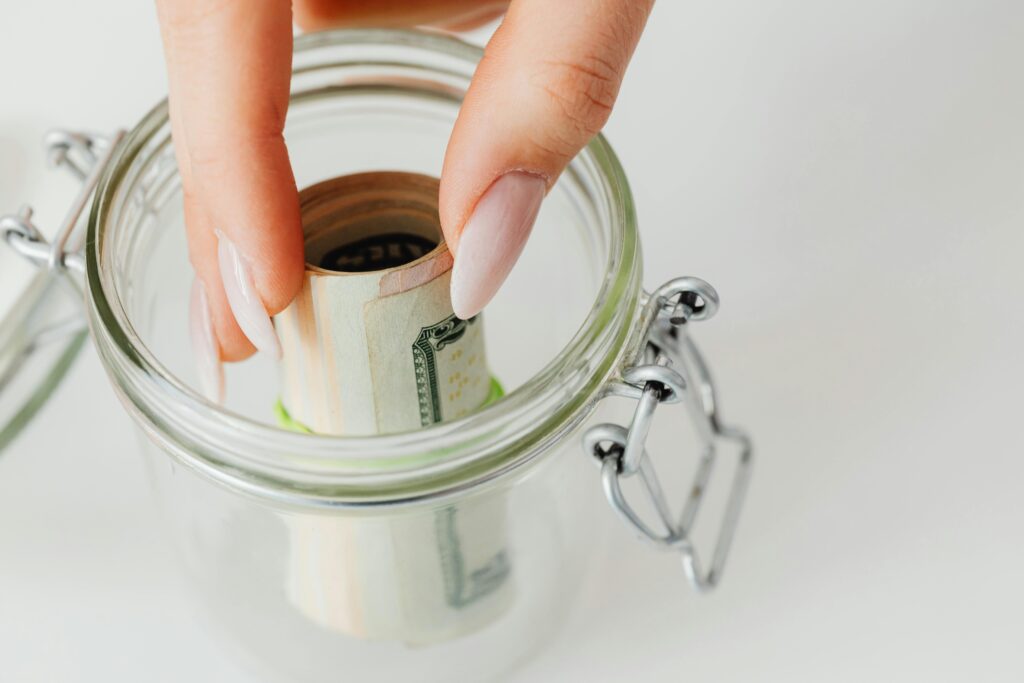
The first time I saw the word moneymaxxing in my feed, I rolled my eyes a little. After looksmaxxing and sleepmaxxing, it felt like the internet had found one more thing to put “maxxing” on. But the more I read about it, the more I realized it is basically everything we talk about here at Simply Saving More, just with a catchy new name and a lot more energy behind it.
If you have been seeing moneymaxxing videos everywhere and wondering what it actually means and whether it is worth trying, this guide breaks it down in plain English. You will learn what moneymaxxing is, where the trend came from, how it compares to frugality and FIRE, nine practical ways to start, how much it can realistically save you, and the mistakes to avoid so the trend actually helps your wallet instead of stressing you out.
Key Takeaways
- Moneymaxxing means getting the most value out of the money you already earn, not chasing a bigger paycheck.
- The core habits are tracking your spending, cutting recurring costs, earning more interest on savings, using rewards wisely and paying off high interest debt.
- Small changes add up fast. Cutting a few subscriptions and lowering a couple of bills can free up hundreds of dollars a year.
- Moneymaxxing works best as part of a bigger plan that also includes growing your income and investing over time.
- You can start this week with zero cost by doing a subscription audit and setting up one automatic savings transfer.
What Is Moneymaxxing?
Moneymaxxing is a personal finance trend focused on squeezing the maximum value out of the money you already have by cutting unnecessary expenses, making your savings earn more and building smarter everyday money habits.
It is not about earning a bigger paycheck. It is about making smarter decisions with the income you already bring home. Someone who is moneymaxxing looks at every part of their financial life and asks a simple question: am I getting the best possible value here?
In practice, moneymaxxing usually comes down to three pillars:
- Cut: Remove recurring expenses you do not really need or use.
- Grow: Make your savings earn more by keeping them in a high yield savings account.
- Squeeze: Get extra value from things you already pay for, like credit card rewards, cashback and loyalty programs.
Financial experts point out that none of this is new. What makes moneymaxxing different is the way it turns these habits into a game. People share their wins online, challenge each other and celebrate small improvements. We have seen social media do this before with loud budgeting and the cash stuffing method, and that social energy is exactly what makes it motivating.
Where Did the Moneymaxxing Trend Come From?
The word comes from a wave of “maxxing” trends on social media. First there was looksmaxxing, which is about improving your appearance, then sleepmaxxing and healthmaxxing, which focus on optimizing rest and wellness. It was only a matter of time before the same optimization mindset reached personal finance.
Moneymaxxing took off on TikTok, Instagram and YouTube, where creators started posting videos of themselves canceling subscriptions, switching to better savings accounts, redeeming forgotten rewards and showing exactly how much they saved. The content is short, satisfying and easy to copy, which is why it spread so quickly.
What started as a social media label has now been covered by major news outlets and discussed by certified financial planners, which is a good sign that the core ideas have real substance behind the catchy name.
Why Moneymaxxing Is Trending Right Now
Moneymaxxing did not go viral by accident. Prices for everyday things like groceries, rent and utilities are still much higher than they were a few years ago, and many people feel like their paycheck does not stretch as far as it used to. Credit card balances across the country are also at record levels.
When it feels hard to earn more, focusing on what you can control becomes very appealing. Moneymaxxing gives people a sense of control. Instead of feeling anxious every time they open their banking app, they get a clear list of actions they can take today.
There is also a mindset shift happening. Moneymaxxing is not about never spending money. It is about spending intentionally on what you value and cutting ruthlessly on what you do not. That makes it far more sustainable than strict budgets that leave no room for enjoyment.
Moneymaxxing vs Frugality vs FIRE: What Is the Difference?
Moneymaxxing is often confused with frugality or the FIRE movement. They overlap, but each has a different goal. Here is how they compare:
| Approach | Main Goal | Main Focus | Best For |
|---|---|---|---|
| Moneymaxxing | Get the most value from every dollar | Cutting waste, earning interest, using rewards | Anyone who wants quick, practical wins |
| Frugality | Spend as little as possible | Reducing spending across the board | People with tight budgets or big short term goals |
| FIRE | Retire early and reach financial independence | High savings rate and long term investing | People with strong income and long term focus |
Think of moneymaxxing as the friendly starting point. It builds the habits that make frugality easier and that can eventually lead you toward bigger goals like the FIRE method.
9 Simple Ways to Start Moneymaxxing
1. Find Out Exactly Where Your Money Goes
You cannot maximize money you are not tracking. Before you change anything, look at your last two or three months of bank and card statements and sort your spending into categories such as housing, food, transport, subscriptions, shopping and entertainment. Most people are surprised by at least one category, usually food delivery, shopping or subscriptions.
Our free Budget Calculator makes this easy. Enter your income and expenses and it shows you exactly where your money is going, including how you compare to the 50/30/20 budget rule. If you have never made a budget before, start with our guide on how to create your first budget in 5 simple steps.
Quick action: Download your last month of bank statements today and highlight every purchase you would not make again.
2. Do a Subscription Audit
Recurring charges are the easiest win in moneymaxxing. Streaming services, apps, gym memberships, cloud storage, meal kits and free trials that quietly turned into paid plans all add up. Because these charges are small and automatic, they are easy to forget.
Go through your statements and list every recurring charge. For each one, ask yourself one question: if I were not already paying for this, would I sign up today? If the answer is no, cancel it. You can always come back later. Another smart trick is rotating your streaming services, keeping only one at a time and switching every month or two.
For even more quick wins, check out these 15 proven ways to save money fast.
Quick action: Cancel at least one subscription you have not used in the last 30 days.
3. Negotiate Your Bills
Many of your fixed bills are more flexible than they look. Internet, phone plans and insurance are the big three. Call your provider, mention that you are comparing prices, and ask whether there is a better plan or a loyalty discount available. If they say no, politely ask to speak with the retention department, since they often have offers that regular customer service cannot give.
Shopping your car and home insurance once a year can also lead to real savings. Many people stay with the same insurer for years without realizing their premium has slowly crept up.
One phone call that saves you even a small amount each month keeps saving you money every single month after that. That is moneymaxxing at its best.
Quick action: Pick one bill this week and spend 15 minutes on the phone asking for a better rate.
4. Move Your Savings to a High Yield Savings Account
If your emergency fund is sitting in a regular savings account earning almost nothing, you are leaving money on the table. High yield savings accounts, usually offered by online banks, pay much higher interest than traditional savings accounts at big branch banks.
Look for an account that is FDIC insured, has no monthly fees and has no minimum balance requirement. FDIC insurance protects up to $250,000 per depositor, per insured bank, for each account ownership category, and you can learn exactly how it works on the FDIC’s official deposit insurance page. Rates change over time, so compare a few options before you choose.
Quick action: Check the interest rate on your current savings account. If it is close to zero, compare at least three high yield options.
5. Pay Yourself First and Automate It
The most powerful moneymaxxing habit is also the most boring one: automation. Set up an automatic transfer to your savings account on the same day your paycheck arrives. When saving happens before you have a chance to spend, you stop relying on willpower.
Start small if you need to. Even a modest automatic transfer builds the habit, and you can increase it every time you cut an expense or get a raise. A great rule is to send every dollar you save from a canceled subscription or lowered bill straight into savings, so your lifestyle stays the same while your balance grows.
Quick action: Set up one automatic transfer, even a small one, scheduled for your next payday.
6. Use the Rewards You Already Earn
A popular part of the trend is “pointsmaxxing,” which means making the most of credit card points, cashback apps and store loyalty programs. Many people have rewards sitting unused in their accounts, and some programs let points expire. Log in, check your balances, and redeem them for cash back or for things you would have bought anyway.
One important rule: rewards are only worth it if you pay your card balance in full every month. Interest charges will wipe out any points you earn very quickly.
Quick action: Log in to every card and loyalty account you have and write down your current rewards balance.
7. Attack High Interest Debt
Paying off a credit card with a high interest rate is like earning a guaranteed return on your money. No savings account or investment can reliably beat that. If you have credit card debt, putting your freed up cash toward it is one of the smartest moneymaxxing moves you can make. Our step by step guide to becoming debt free walks you through the whole process.
Choose a payoff strategy and stick with it. The debt snowball method pays off the smallest balance first for quick wins, while the debt avalanche method targets the highest interest rate first to save the most money. The Consumer Financial Protection Bureau explains both approaches in its guide on how to reduce your debt, and the snowball method is also at the heart of Dave Ramsey’s Baby Steps. Not sure where to start? Our AI Debt Free Plan Generator builds a personalized payoff plan based on your balances and income.
Quick action: List every debt with its balance and interest rate, then choose snowball or avalanche.
8. Set One Clear, Measurable Goal
Moneymaxxing works best when it has a purpose. Pick one goal you can measure, such as building a starter emergency fund, paying off one credit card, or saving for a trip. Give it a target amount and a deadline. If you are ready for a bigger challenge, our plan on how to save $10,000 in one year shows you how to reach a larger target.
Write your goal down and track your progress every week. Our AI Savings Goal Calculator shows you exactly how much to save each month to hit your target by your deadline, and our free Budget Template includes a savings tracker sheet to keep you on track.
Quick action: Write down one goal with a dollar amount and a date, and put it somewhere you will see it every day.
9. Turn Saving Into a Challenge
The reason moneymaxxing spread so fast is that it feels like a game. Use that to your advantage. Try a no spend weekend, a pantry challenge where you cook only from what you already have, or a challenge with a friend to see who can cut the most from their monthly spending.
Celebrate your wins, even the small ones. Every canceled subscription and every lowered bill is progress. Keeping a simple “wins list” in your phone where you record each amount you save is a great way to stay motivated.
Quick action: Plan your first no spend weekend for this coming weekend.
How Much Can Moneymaxxing Save You? A Realistic Example
Small changes can feel pointless on their own, so let us look at how they add up. The numbers below are a simple illustration. Your own results will depend on your bills, your bank and your habits.
Imagine someone who makes a few moneymaxxing changes in one month:
- Cancels three unused subscriptions worth about $35 a month in total
- Negotiates their phone plan down by $15 a month
- Switches car insurance and saves $20 a month
That is $70 a month, or $840 a year, without earning a single extra dollar.
Now add savings interest. If that person keeps $5,000 in an emergency fund, a high yield account paying an example rate of 4% would earn about $200 in a year, while an account paying 0.5% would earn only about $25. That is roughly $175 more for doing nothing except moving the money.
Finally, consider debt. A $3,000 credit card balance at a 22% interest rate costs roughly $660 a year in interest if the balance stays the same. Sending that freed up $70 a month toward the card shrinks the balance and the interest every single month.
Put together, a few hours of effort can easily be worth over $1,000 in the first year. That is the real power of moneymaxxing.
Moneymaxxing at Every Life Stage
Moneymaxxing looks a little different depending on where you are in life. Here is how to focus your efforts.
Students and Young Adults
Focus on building habits early. Track your spending, avoid carrying a credit card balance, use student discounts and start a small automatic savings transfer, even if it is tiny. The habits you build now will matter far more than the amounts.
Families
Families usually have the most room to save on groceries, insurance and recurring services. Meal planning, buying in bulk for items you use often, and reviewing insurance policies once a year can free up a meaningful amount of money every month.
People Over 50
After 50, moneymaxxing is less about coupons and more about big picture moves. Trimming recurring bills, putting freed up cash toward retirement, taking advantage of catch up contributions to retirement accounts where you qualify, and making sure your savings are earning competitive interest can all make a real difference as retirement gets closer.
Where Moneymaxxing Can Go Wrong
Like any trend, moneymaxxing can backfire if you take it too far. Keep these warning signs in mind:
- Cutting things that matter to you. Moneymaxxing is not about being miserable. If you cut every small joy, you are more likely to quit and overspend later.
- Chasing rewards with debt. Opening several credit cards for signup bonuses can hurt your credit and lead to overspending if you are not careful.
- Risky “get rich quick” content. Some videos using the moneymaxxing label promote risky investments or complicated schemes. Real moneymaxxing is about simple, steady habits.
- Spending hours to save pennies. Your time has value too. Focus on the changes that save the most money for the least effort first.
- Ignoring the bigger picture. Saving small amounts is great, but long term wealth also comes from growing your income and investing consistently over time. Learning how to get a raise and how to start investing with no money are the natural next steps.
The Certified Financial Planner Board has shared what financial experts think about the moneymaxxing trend, describing it as a more engaging and accessible take on familiar money habits. The main takeaway is simple: the habits are solid, as long as you use them as part of a bigger plan.
A Simple 30 Day Moneymaxxing Plan
If you want to try moneymaxxing but do not know where to begin, follow this one month plan:
- Week 1: Track your spending, list every recurring charge and enter your numbers into the Budget Calculator.
- Week 2: Cancel subscriptions you do not use and call at least one provider to negotiate a bill.
- Week 3: Open a high yield savings account and set up an automatic transfer on payday.
- Week 4: Redeem your unused rewards, choose one measurable goal, and send all the money you freed up this month toward it.
By the end of the month, you will know exactly where your money goes, you will have lowered your fixed costs, and your savings will be working harder for you. Repeat the audit every three months to keep the savings going.
Frequently Asked Questions About Moneymaxxing
What does moneymaxxing mean?
Moneymaxxing means getting the most value out of the money you already earn. It focuses on cutting unnecessary recurring costs, earning more interest on your savings, using rewards wisely and building better daily money habits.
Is moneymaxxing the same as being frugal?
Not exactly. Frugality focuses on spending less. Moneymaxxing focuses on getting more value, which includes spending less on what you do not care about but also making your savings, rewards and bills work harder for you.
Does moneymaxxing actually work?
Yes, because it is built on proven habits like budgeting, automating savings and paying off high interest debt. The trend gives these habits a fun new name, but the results come from sticking with them consistently.
Can moneymaxxing make you rich?
On its own, probably not. Moneymaxxing helps you free up money and build stability. To build real long term wealth, you also need to invest consistently and grow your income over time.
How do I start moneymaxxing with a low income?
Start with the actions that cost nothing: track your spending, cancel unused subscriptions, negotiate bills and redeem any rewards you already have. Even small savings add up when you automate them every month. If you feel stuck living paycheck to paycheck, our honest guide on how to stop being broke is a great place to start.
How long does it take to see results from moneymaxxing?
Many people see results within the first month. Canceling subscriptions and lowering bills shows up on your very next statement, while higher savings interest and debt payoff build steadily over the following months.
Is moneymaxxing safe?
The core habits are completely safe and recommended by financial professionals. Be careful with content that uses the moneymaxxing label to promote risky investments, opening lots of credit cards or anything that promises fast, guaranteed returns.
Final Thoughts
Moneymaxxing might sound like just another internet buzzword, but the ideas behind it are some of the most reliable ways to improve your finances. Track your money, cut what you do not value, make your savings earn more, pay down expensive debt and turn the whole process into a game you actually enjoy.
You do not need a bigger paycheck to make real progress. You just need to make the money you already have work harder for you. Start with one step this week. Open our Budget Calculator, see where your money is really going, and let that be your first moneymaxxing win.

Muhammad Mateen is a personal finance blogger and the founder of Simply Saving More. After struggling with budgeting and saving money for years Muhammad developed practical strategies that helped him take control of his finances. He created Simply Saving More to share these real world tested tips with everyday people who want to improve their financial lives. His content focuses on practical actionable advice that anyone can implement regardless of income level.