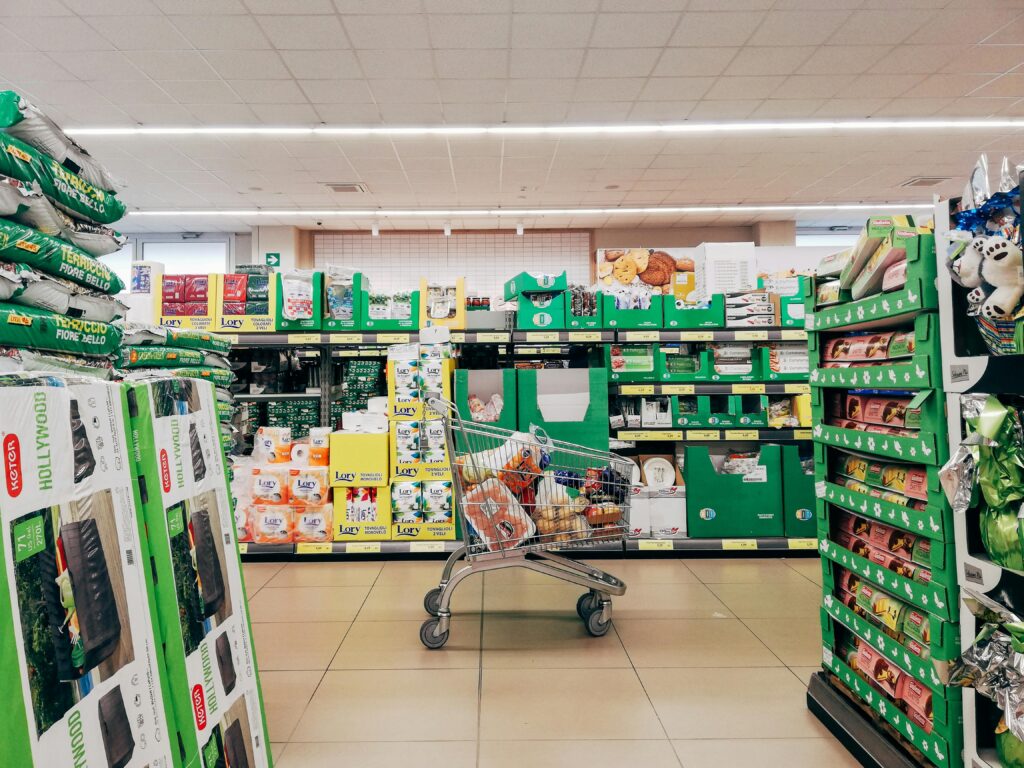
Groceries were my biggest budget buster for years. Despite earning a reasonable income I was consistently overspending on food every single month. When I finally implemented these strategies I cut my grocery bill by over $150 per month without eating less or giving up foods I loved. These 20 tips genuinely work and many can be started on your very next shopping trip.
Groceries are one of the biggest expenses for most families and one of the easiest areas to overspend. The average American family spends over $400 per month on groceries alone. But with the right strategies you can dramatically cut that number without eating less or giving up the foods you love.
In this guide we share 20 proven ways to save money on groceries every week. These are practical strategies that real families use to cut their grocery bills by 20 to 50 percent without feeling deprived.
Why Your Grocery Bill Is So High
Before we get into the tips let us look at why most people overspend on groceries:
- Shopping without a list and buying whatever looks good
- Shopping when hungry studies show this increases spending by 17 percent
- Not checking what you already have at home before shopping
- Buying name brands when store brands are identical quality
- Wasting food by not using what you buy before it expires
- Falling for supermarket marketing tricks like end caps and eye level product placement
- Not using coupons or cashback apps
20 Proven Ways to Save Money on Groceries
1. Plan Your Meals Before You Shop Meal planning is the single most effective way to reduce your grocery bill. Before going to the store plan every meal for the week. Then make a shopping list based only on what you need for those meals. Stick to the list.
2. Never Shop Hungry Shopping hungry leads to impulse purchases and poor decisions. Always eat before you go to the grocery store. This one tip alone can save $20 to $50 per shopping trip.
3. Buy Store Brand Products Store brand or generic products are typically 20 to 40 percent cheaper than name brands and often identical in quality. Many store brand products are made in the same factories as name brands. Switch to store brand for staples like pasta, rice, canned goods, and dairy.
4. Shop with a List and Stick to It Never go to the grocery store without a list. A list keeps you focused and prevents impulse purchases. If it is not on the list it does not go in the cart.
5. Use Cashback Apps Apps like Ibotta and Rakuten give you money back on grocery purchases you were already going to make. Download both apps and check for offers before every shopping trip.
6. Buy in Bulk for Non Perishables For items you use regularly like toilet paper, cleaning supplies, pasta, and canned goods buying in bulk is almost always cheaper per unit. Just make sure you will actually use what you buy before it expires.
7. Use Coupons Between store apps, newspaper inserts, and coupon websites there are coupons available for almost everything. Spend 10 minutes before each shopping trip looking for coupons for items on your list.
8. Shop Seasonal Produce Fruits and vegetables that are in season are significantly cheaper and taste better. Learn which produce is in season and build your meals around those items. Out of season produce can cost 3 to 4 times more.
9. Reduce Meat Consumption Meat is one of the most expensive items at the grocery store. Having one or two meat free meals per week can save $30 to $50 per month. Beans, lentils, and eggs are excellent protein alternatives at a fraction of the cost.
10. Freeze What You Cannot Use Most foods can be frozen to extend their life. Bread, meat, cheese, and many fruits and vegetables freeze beautifully. When something is on sale buy extra and freeze it.
11. Compare Price Per Unit Always compare the price per unit or per ounce rather than the total price. A larger package is not always cheaper per unit. Most grocery stores display the unit price on the shelf label.
12. Shop at Multiple Stores Different stores have different strengths. Aldi and Lidl are known for cheap staples. Costco is great for bulk items. Your local grocery store might have the best produce deals. Shopping strategically across stores can save significantly.
13. Avoid Pre Cut and Pre Packaged Items Pre cut vegetables, shredded cheese, and portioned snacks cost significantly more than whole versions. Buy whole vegetables and cut them yourself. Buy block cheese and grate it yourself. It takes a few extra minutes but saves a lot of money.
14. Check the Reduced Section Most grocery stores have a reduced or clearance section for items near their sell by date. Bread, meat, dairy, and produce are often available at 50 to 70 percent off. If you can use it within a day or two or freeze it this is an incredible deal.
15. Make Your Own Sauces and Condiments Pasta sauce, salad dressing, and many condiments are incredibly cheap and easy to make at home. The homemade version usually tastes better and costs a fraction of the store bought price.
16. Reduce Food Waste The average family throws away $1,500 worth of food every year. Plan meals around what you already have, use leftovers creatively, and store food properly to extend its life. Every dollar of food you do not waste is a dollar saved.
17. Use a Grocery Pickup Service Ordering groceries for pickup instead of shopping in store removes the temptation to buy things not on your list. Most grocery stores offer free pickup. Many people save 10 to 20 percent just by switching to pickup.
18. Buy Frozen Vegetables and Fruits Frozen produce is just as nutritious as fresh and often cheaper. It also lasts much longer reducing food waste. Keep your freezer stocked with frozen vegetables for easy and affordable meal additions.
19. Shop at Discount Grocery Stores Stores like Aldi, Lidl, and Trader Joe’s consistently offer lower prices than traditional supermarkets. Switching your main grocery shopping to a discount store can save $100 to $200 per month for a family.
20. Track Your Grocery Spending Keep track of how much you spend on groceries each week. When you track spending you become more aware and intentional. Set a grocery budget and challenge yourself to stay under it.
Sample Weekly Grocery Budget
Here is an example of how a family of four can eat well on a budget:
| Category | Weekly Budget |
|---|---|
| Proteins (chicken, eggs, beans) | $30 |
| Vegetables and fruits | $25 |
| Grains and pasta | $15 |
| Dairy | $15 |
| Snacks and extras | $15 |
| Total | $100 |
How Much Can You Save?
By implementing just 5 to 6 of these strategies a family spending $400 per month on groceries could realistically save $100 to $200 per month. That is $1,200 to $2,400 per year — just from smarter grocery shopping.
CONCLUSION:
Saving money on groceries does not mean eating poorly or giving up the foods you love. It means shopping smarter, planning ahead, and making intentional choices at the store.
Start with just 3 or 4 strategies from this list and implement them on your next grocery trip. Once those become habits add more. Before long saving money on groceries will be second nature.
What is your best grocery saving tip? Share it in the comments below — we would love to hear what works for your family!
Frequently Asked Questions
Q: What is the best way to save money on groceries?
A: Meal planning combined with a strict shopping list is the single most effective way to reduce your grocery bill. Knowing exactly what you need before you shop eliminates impulse purchases and food waste the two biggest grocery budget busters.
Q: How much should a family of four spend on groceries?
A: A reasonable grocery budget for a family of four is $400 to $600 per month on a moderate budget. Families who meal plan shop at discount stores and buy store brand products can often get this down to $300 to $400 per month.
Q: Is it cheaper to cook at home or eat out?
A: Cooking at home is almost always 3 to 5 times cheaper than eating out. A home cooked meal that costs $3 to $4 per person typically costs $12 to $20 per person at a restaurant.
Q: Are store brand products as good as name brand?
A: For most products yes. Store brand products are often made in the same factories as name brand products and meet identical quality standards. The only difference is the packaging and price — typically 20 to 40 percent cheaper.
Q: Does meal planning really save money?
A: Yes significantly. Families who meal plan consistently report saving $100 to $300 per month on food compared to shopping without a plan. The key is planning meals before shopping and buying only what you need.

Muhammad Mateen is a personal finance blogger and the founder of Simply Saving More. After struggling with budgeting and saving money for years Muhammad developed practical strategies that helped him take control of his finances. He created Simply Saving More to share these real world tested tips with everyday people who want to improve their financial lives. His content focuses on practical actionable advice that anyone can implement regardless of income level.