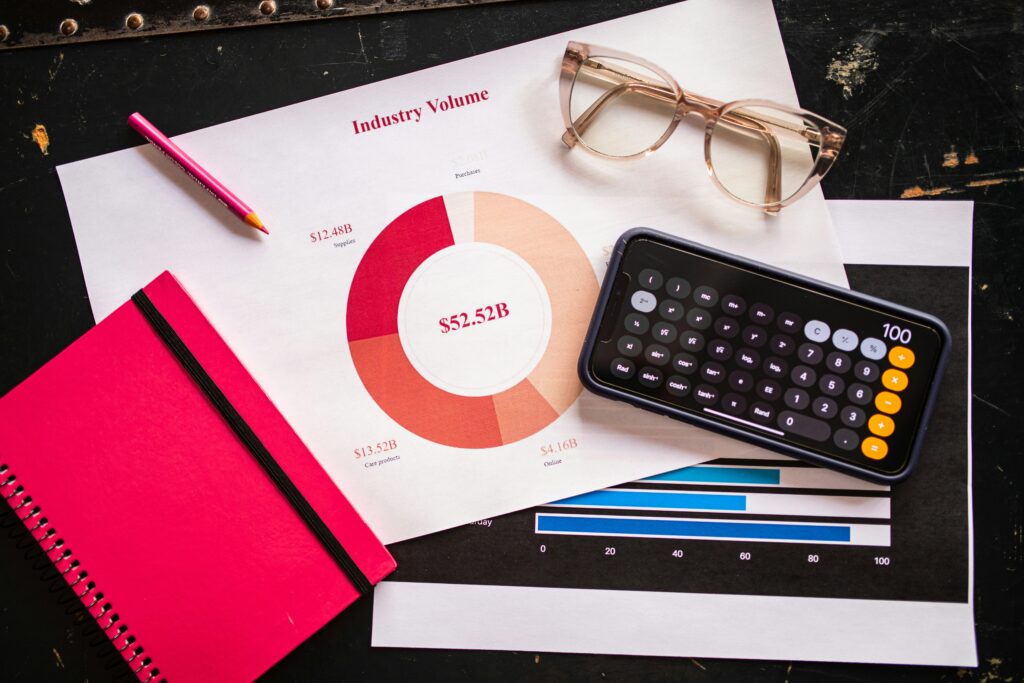
I used to wonder where all my money went every month. I had a decent income but nothing to show for it. When I finally started tracking every purchase I was shocked I was spending $300 more per month than I realized. Tracking your spending is the single most eye opening financial habit you can build. Here is exactly how to do it.
Do you know exactly where your money goes every month? Most people have a rough idea but the details are fuzzy. You know you spent money on groceries and bills but have no idea why your bank account always seems empty before the month ends.
Tracking your spending is the single most powerful habit you can build for your financial health. When you know exactly where every dollar goes you can make smarter decisions, cut unnecessary expenses, and start saving more money every month.
In this guide we will show you exactly how to track your spending every month using simple tools and methods that actually work.
Why Tracking Your Spending Is So Important
Most people seriously underestimate how much they spend. Studies show that people underestimate their spending by 20 to 40 percent. That means if you think you spend $2,000 per month you might actually be spending $2,400 or more.
Tracking your spending helps you:
- See exactly where your money is going
- Identify areas where you are overspending
- Make intentional decisions about your money
- Stick to your budget more easily
- Find hidden expenses and subscriptions you forgot about
- Feel more in control and less stressed about money
Step 1: Choose Your Tracking Method
There are several ways to track your spending. The best method is whichever one you will actually use consistently.
Method 1: Budgeting Apps
Apps like Mint, YNAB, and EveryDollar automatically track your spending by connecting to your bank account. Every transaction is categorized automatically so you can see exactly where your money goes without manually entering anything.
Best for: People who want a hands off approach and love technology.
Method 2: Spreadsheet
A simple Google Sheets or Excel spreadsheet gives you complete control over how you track your spending. Create columns for date, category, description, and amount. Update it manually every few days.
Best for: People who like to see all their data in one place and prefer manual control.
Method 3: Pen and Paper
Old fashioned but incredibly effective. Carry a small notebook and write down every purchase immediately after making it. This method makes you very aware of your spending because you have to physically record it.
Best for: People who want to be very intentional about their spending and do not want to use technology.
Method 4: The Envelope Method
Divide your cash budget into envelopes for each spending category. When an envelope is empty you stop spending in that category. No tracking needed — the empty envelope tells you everything.
Best for: People who overspend and need a physical way to control their money.
Step 2: Set Up Your Spending Categories
Before you start tracking set up categories for your spending. This makes it easier to see patterns and identify problem areas.
Common spending categories:
- Housing — rent or mortgage, utilities, insurance
- Food — groceries, eating out, coffee
- Transportation — gas, car payment, insurance, public transport
- Health — insurance, medications, doctor visits
- Personal care — haircuts, toiletries, gym
- Entertainment — streaming services, movies, hobbies
- Clothing — clothes, shoes, accessories
- Savings — emergency fund, retirement, goals
- Debt payments — credit cards, loans
- Miscellaneous — everything else
Start with broad categories and get more specific over time as you learn where you tend to overspend.
Step 3: Record Every Transaction
This is where most people fail. They start tracking enthusiastically for a few days then forget about it. Consistency is everything.
Tips to record every transaction:
- Set a daily reminder on your phone to update your tracker
- Keep your tracking method easily accessible phone app or notebook in your bag
- Record purchases immediately after making them while they are fresh in your mind
- Check your bank statement weekly to catch anything you missed
- Make it a habit like brushing your teeth do it at the same time every day
Step 4: Review Your Spending Weekly
Tracking without reviewing is like driving with your eyes closed. Set aside 10 to 15 minutes every Sunday to review your spending from the past week.
During your weekly review:
- Add up spending in each category
- Compare to your budget
- Identify categories where you overspent
- Adjust your spending for the coming week
- Celebrate categories where you came in under budget
This weekly check in keeps you aware and accountable without becoming overwhelming.
Step 5: Do a Monthly Spending Review
At the end of each month do a bigger review of your overall spending. This is where you find the patterns and make meaningful changes.
During your monthly review:
- Total up all spending by category
- Compare to your budget targets
- Identify your top 3 spending categories
- Find any surprises things you spent more on than expected
- Set goals for the next month based on what you learned
- Look for subscriptions or recurring charges to cancel
Best Free Apps to Track Your Spending
Mint: The most popular free spending tracker. Connects to your bank and automatically categorizes every transaction. Shows you monthly spending reports and sends alerts when you go over budget.
YNAB (You Need a Budget): The most powerful budgeting app available. Every dollar gets assigned a job. Excellent for people who want complete control over their money. Free trial available.
EveryDollar: Simple and clean zero based budgeting app. Easy to use for beginners. Free version available.
Personal Capital: Great for tracking both spending and investments in one place. Best for people who also want to track their net worth.
PocketGuard: Shows you exactly how much money you have available to spend after bills and savings. Very simple and easy to use.
Common Spending Tracking Mistakes to Avoid
Only tracking for a few days You need at least one full month of data to see meaningful patterns. Commit to tracking for 30 days before drawing any conclusions.
Forgetting cash purchases Cash is the easiest spending to forget. If you use cash write it down immediately or take a photo of receipts.
Not categorizing correctly Putting everything in miscellaneous makes it impossible to find patterns. Take the time to categorize properly.
Giving up after a bad week Everyone has weeks where they overspend. Do not let one bad week make you quit. Reset and keep going.
Tracking but not reviewing Data is useless if you never look at it. Schedule your weekly review and make it non negotiable.
What to Do With Your Spending Data
Once you have a month of tracking data you have incredibly valuable information. Use it to:
- Create a realistic budget based on your actual spending
- Identify your biggest money leaks
- Find subscriptions to cancel
- Set realistic savings goals
- Decide where to cut back to reach your financial goals
CONCLUSION:
Learning how to track your spending every month is one of the most powerful steps you can take toward financial freedom. It takes a little effort to set up but once it becomes a habit it completely transforms how you relate to money.
Start today with whatever method feels most comfortable an app, a spreadsheet, or a notebook. The tool does not matter as much as the habit. Once you know where your money goes you can make intentional decisions that align with your financial goals.
What method are you going to use to track your spending? Let us know in the comments below!
Frequently Asked Questions
Q: What is the best way to track spending?
A: The best way is whichever method you will actually use consistently. Apps like Mint automatically track spending from your bank account. Spreadsheets give more control. A simple notebook works for cash spending. Try different methods and stick with what feels sustainable.
Q: How often should I track my spending?
A: Record purchases daily or at least every 2 to 3 days while they are fresh in your memory. Do a weekly review every Sunday to check your progress against your budget categories.
Q: What spending categories should I use?
A: Start with these basic categories — housing food transportation healthcare personal care entertainment subscriptions savings and debt. You can add more specific subcategories once the basic tracking habit is established.
Q: Is tracking spending the same as budgeting?
A: No but they work together. Tracking spending shows you where your money actually goes. Budgeting creates a plan for where your money should go. You need both track to see reality then budget to improve it.
Q: What if I forget to track some purchases?
A: Check your bank and credit card statements weekly to catch anything you missed. Apps like Mint do this automatically. For cash purchases try to record immediately after spending or keep receipts.

Muhammad Mateen is a personal finance blogger and the founder of Simply Saving More. After struggling with budgeting and saving money for years Muhammad developed practical strategies that helped him take control of his finances. He created Simply Saving More to share these real world tested tips with everyday people who want to improve their financial lives. His content focuses on practical actionable advice that anyone can implement regardless of income level.